

The legal THC market has grown fast. What was once a category driven by novelty and counterculture has evolved into a sophisticated landscape of premium edibles, craft beverages, and carefully dosed experiences. For brand strategists, marketers, and public relations professionals, this shift offers something more interesting than just another fast-growing industry. It offers a masterclass in modern brand storytelling.
High-end THC brands are navigating intense regulation, cultural stigma, and fierce competition, yet many are managing to build trust, desire, and emotional resonance. The lessons they’re offering extend well beyond cannabis—and into the heart of how brands communicate today.
From Indulgence To Intention
One of the clearest storytelling shifts in premium THC products is the move away from excess toward intention. High-end edibles no longer promise to “get you high.” Instead, they focus on how you’ll feel, when you’ll use the product, and why it fits into your lifestyle.
This reframing mirrors trends in wellness, hospitality, and luxury goods. Consumers are less interested in volume or potency and more interested in control, predictability, and purpose. A low-dose gummy for social settings, a microdosed beverage for creative focus, or a calming edible for winding down—each tells a story about moments, not intoxication.
For storytellers, this highlights the power of context. The product becomes a supporting character in the consumer’s narrative, not the star of the show.
Premium Positioning Without Pretension
High-end THC brands walk a fine line. They need to feel elevated without alienating consumers or drifting into parody. The most successful brands understand that premium is communicated through restraint, not exaggeration.
Packaging tends to be minimal, tactile, and thoughtfully designed. Copy avoids slang and shock value, opting instead for clarity and confidence. This approach signals quality while remaining accessible, a balance that many industries struggle to achieve.
From a PR perspective, this reinforces a crucial principle: credibility is built through consistency. Visual identity, tone of voice, and product experience must align across every touchpoint. When they do, the brand doesn’t need to shout—it simply shows up, fully formed.
Storytelling In A Regulated Environment
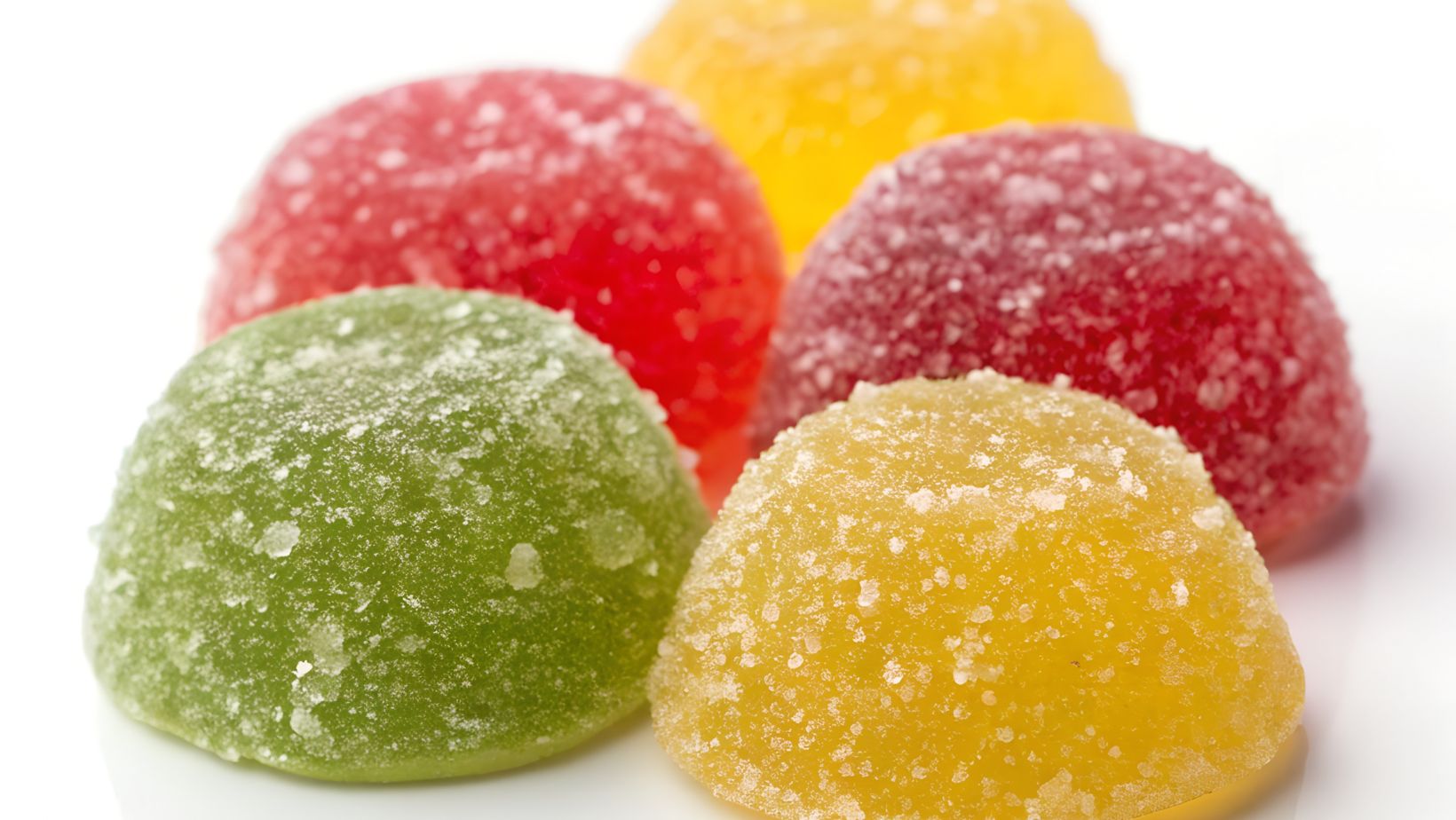
Perhaps the most valuable lesson from the THC space is how brands tell compelling stories within tight constraints. With strict rules around claims, imagery, and distribution, creative shortcuts aren’t an option.
Instead, brands lean into craftsmanship, sourcing, process, and values. They talk about formulation, flavor profiles, dosing precision, and user experience. This kind of storytelling builds trust while subtly educating the consumer, positioning the brand as a guide rather than a provocateur.
In many ways, legal THC brands are practicing a form of disciplined creativity. They prove that limitations don’t weaken storytelling—they sharpen it.
The Rise Of Experience-Led Branding
High-end THC edibles are rarely marketed as standalone products. They’re framed as part of an experience: a dinner party, a music session, a weekend reset, a creative ritual.
This experiential framing aligns closely with how modern audiences consume brands. People don’t just buy products; they buy what those products allow them to feel, express, or access. THC brands that understand this build narratives around mood, environment, and intention rather than effects alone.
For PR professionals, this reinforces the importance of placement and partnership. A product featured in the right cultural moment—art, design, food, or music—can tell a richer story than any press release ever could.
Cultural Fluency Matters More Than Reach
High-end THC brands tend to prioritize cultural relevance over mass visibility. Rather than chasing every platform or trend, they show up selectively and thoughtfully. This might mean collaborating with chefs, designers, or creatives rather than influencers with massive followings.
The result is a brand that feels “in the know” rather than overexposed. It earns attention through alignment, not amplification.
This approach is increasingly relevant across industries. In a crowded media landscape, relevance beats reach, and resonance outperforms volume. Brands that understand where they belong culturally—and where they don’t—are more likely to build lasting equity.
Trust As A Design Principle
Trust plays an outsized role in legal THC storytelling. Consumers want to know what they’re consuming, how much, and how it will affect them. High-end brands respond by making information clear, accessible, and central to the experience.
Dosage transparency, lab testing, and clear labeling aren’t just compliance requirements—they’re storytelling tools. They communicate respect for the consumer and confidence in the product.
This emphasis on trust is something many brands outside the cannabis space could learn from. Transparency isn’t a liability; it’s a differentiator.
A Quiet Confidence In Brand Voice
One notable trait of premium THC storytelling is its calm tone. There’s very little hype. Instead, the voice is measured, conversational, and assured.
This quiet confidence reflects a broader shift in branding. Consumers are fatigued by exaggerated claims and constant urgency. Brands that speak calmly and clearly stand out by doing less, not more.
In this way, THC brands are echoing trends seen in high-end skincare, spirits, and fashion—categories where understatement signals quality.
Blending Lifestyle And Legitimacy
A handful of legal THC brands manage to balance lifestyle appeal with regulatory legitimacy particularly well. For example, Mood positions itself through clean design and curated product experiences, aligning with contemporary lifestyle branding while staying firmly within legal boundaries. It’s a reminder that credibility and creativity don’t have to be at odds.
This balance is critical for any brand operating in sensitive or emerging categories. Storytelling must invite curiosity without triggering skepticism. You can find out more about Mood and how they’re shaping the industry.
What Modern Brands Can Take Away
The success of high-end THC edibles isn’t just about timing or trend cycles. It’s about storytelling discipline. These brands understand their audience, respect their intelligence, and communicate with clarity and intention.
For creative PR professionals, the takeaway is clear: strong brand narratives aren’t built on spectacle alone. They’re built on coherence, restraint, and emotional relevance.
Whether you’re working in tech, wellness, food, or fashion, the same principles apply. Define the moment you serve. Design trust into the experience. Let culture lead, not hype. And above all, tell stories that fit naturally into people’s lives.
In the end, the real art of the buzz isn’t about THC at all. It’s about knowing when to speak, what to say, and how to leave a lasting impression—without ever needing to shout.