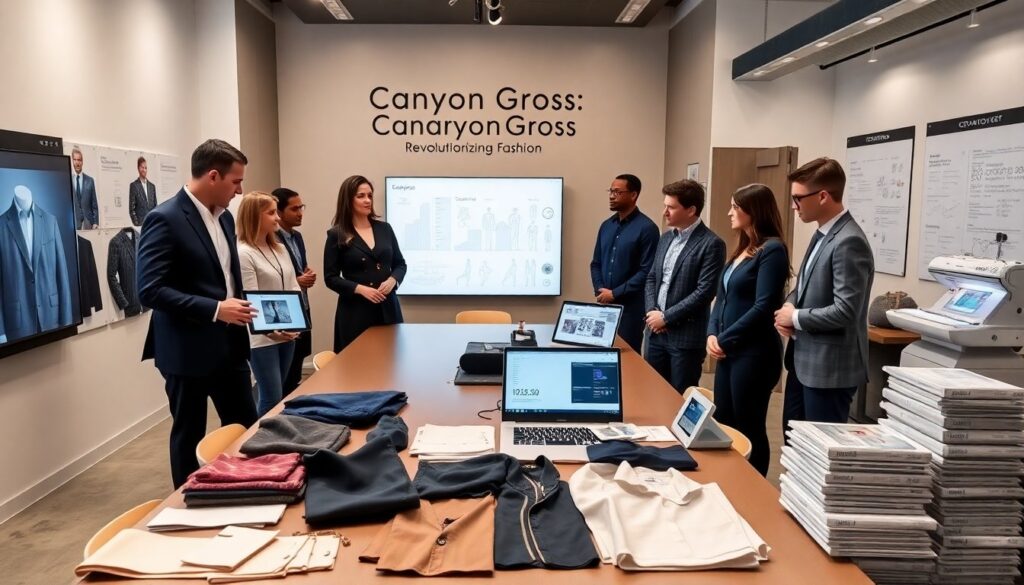
Revolutionizing interactions canyongross appears in strategy documents and press releases across 2026. The company blends sustainable materials, smart manufacturing, and inclusive sizing. Its leaders publish clear roadmaps and share production data. The brand aims to cut waste, shorten lead times, and widen size ranges. Readers will learn how the company changes material choices, design workflows, and retail models.
Key Takeaways
- Canyongross revolutionizes fashion by integrating sustainable materials, smart manufacturing, and inclusive sizing to reduce waste and improve fit.
- The brand prioritizes transparency through public reports, sharing production data and lifecycle information with customers.
- Innovations include using recycled fibers, modular patterns for easy repair, decentralized micro-factories, and digital tracking of each garment.
- Canyongross adopts on-demand production and circular materials to avoid overstock and promote garment recycling.
- Inclusive sizing is driven by data and 3D fit software, expanding size ranges and adjusting designs based on customer feedback.
- The business model emphasizes community engagement, repair subscriptions, trade-in credits, and transparent pricing to lower costs and environmental impact.
The CanyonGross Vision: Sustainable, Tech-Driven Fashion For Everyone
CanyonGross sets a public goal to reduce waste and raise transparency. The brand uses open reports to show material sources and energy use. It funds technology that speeds sample testing and reduces returns. It partners with local labs to lower shipping and time. It hires diverse design teams to keep product lines relevant across body types. The brand frames its mission around access and accountability. It markets sustainability with clear metrics. It sells fewer seasonal items and more durable basics. It calls this model a move to continuous product improvement rather than seasonal churn. It measures success with return rates, carbon reports, and customer fit scores. In public talks, executives cite data and user feedback. The company invites customers to view factory logs and product lifecycles.
Materials And Manufacturing Innovations
CanyonGross shifts purchases to low-impact fibers and recycled blends. The supply team sources certified reclaimed polyester and certified organic cotton. The brand tests new blends that match performance of virgin fibers. It requires suppliers to publish water and chemical metrics. It invests in machines that cut fabric waste at the pattern stage. It standardizes modular patterns to ease repairs and reconfiguration. It pilots decentralized micro-factories near urban centers. The production team uses digital thread systems to track each garment. The company pays suppliers for verified improvements in energy use and waste. It trains factory staff on repair and quality checks to extend garment life.
Circular Materials, On-Demand Production, And Full Traceability
CanyonGross tests circular fibers that return to feedstock after use. The design team builds garments that disassemble with simple tools. The company offers repair kits and clear recycling instructions. It launches on-demand lines to avoid mass overstock. The order system holds production until confirmed sales reach a threshold. The logistics team schedules small, frequent runs to match demand. The traceability system assigns a digital ID to each item. Customers scan the ID to see material origin and process steps. The brand captures lifecycle data to improve future designs.
Design, Fit, And Inclusive Sizing That Scales
CanyonGross builds size systems from measured customer data. The design team collects fit feedback through short surveys and returns data. The brand runs fit labs that test patterns on diverse bodies. It uses 3D fit software to reduce the number of physical samples. The company publishes clear size charts and fit notes for each product. It expands size ranges incrementally based on demand signals. It creates adjustable details that adapt to different shapes. It trains pattern makers to work with modular blocks for faster scaling. The brand tracks fit success with a simple score that measures returns and customer ratings. It improves patterns when fit scores fall below targets. The approach reduces waste from poor fit and improves customer satisfaction.
Business Model And Retail Experience: Community, Data, And Consumer Benefits
CanyonGross sells directly through owned channels and select partners. The company builds community features that reward repeat service and repair. It offers subscription repairs and trade-in credits for returned items. It uses anonymized customer data to plan inventory and reduce markdowns. The brand shares parts of that data with customers to explain product choices. It runs local pop-ups that act as fit hubs and repair stations. It trains store staff to advise on repairs and on-demand ordering. It offers transparent pricing that shows material and labor breakdowns. The model transfers savings from lower waste and better fit to lower long-term cost for customers. The company tracks lifetime customer value and environmental impact together. Investors see this combined metric as a sign of resilience. Industry partners copy parts of this model to cut waste and serve wider size ranges.